Safari Africa: The Ultimate Guide to Experiencing the Wild Heart of the Continent


The first time the African sun rose over the endless plains and painted everything gold, I forgot to breathe. A lone giraffe stood silhouetted against the horizon, hot-air balloons drifted silently in the distance, and somewhere close a lion roared just to remind the world who really owns this place. That single morning explained why millions of people dream of a safari Africa experience that will stay with them for the rest of their lives.
Safari Africa is not just a trip. It is a return to something ancient inside all of us – the need to feel small beneath a star-filled sky, to watch life and death play out in real time, and to remember that we are guests in a world far bigger than our daily routines. From the red-dust plains of Kenya to the watery paradise of Botswana’s Okavango Delta, Africa offers safari experiences as varied as the continent itself. This guide will walk you through everything you need to know to choose, plan, and fall completely in love with your own safari Africa adventure.
What Does “Safari Africa” Actually Mean Today?
The word safari comes from the Swahili term for journey, and once meant hunting expeditions on foot. Thankfully, those days are largely gone. Today a safari Africa means traveling deep into protected wilderness areas to watch animals living free and undisturbed. You sit in open vehicles, walk with expert guides, drift in mokoro canoes, or ride horses among herds of zebra – always with cameras instead of guns.
Every region of Africa offers a different style of safari. East Africa gives you classic golden grasslands and the drama of the Great Migration. Southern Africa delivers intimate luxury lodges and incredible predator sightings. Central Africa brings rare gorilla and chimpanzee encounters in misty rainforests. A safari Africa can last three days or three weeks, cost a little or a lot, and still leave you speechless.
Why Africa Remains the Greatest Wildlife Show on Earth
No continent matches Africa’s combination of vast wilderness and incredible animal density. Where else can you watch a million wildebeest thunder across a river while crocodiles wait below? Where else can you sit quietly as a leopard carries her cub through the grass at twilight? Africa still has large areas where animals, not people, make the rules.
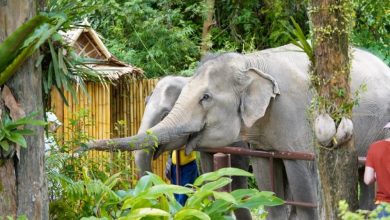
A safari Africa also reconnects you to the rhythm of nature. Days begin at sunrise and end around a campfire under a sky so full of stars it feels close enough to touch. You learn to listen – for the alarm call of an impala, the distant roar of a lion, the splash of an elephant bathing. These moments strip away the noise of modern life and leave something pure behind.
The Best Regions for Your Safari Africa Adventure
East Africa – Kenya and Tanzania – offers the classic safari Africa everyone imagines. The Maasai Mara and Serengeti form one giant ecosystem where the Great Migration plays out every year. Between July and October, huge herds cross the Mara River in scenes that belong on cinema screens. Hot-air balloon rides at dawn, bush breakfasts beneath acacia trees, and Maasai village visits complete the experience.
Southern Africa gives you variety and comfort. South Africa’s private reserves next to Kruger deliver some of the easiest and most reliable big-cat viewing on the continent, with luxury lodges that feel like five-star hotels dropped into the wilderness. Botswana limits visitor numbers for an exclusive feel – gliding through the Okavango Delta in a dugout canoe while elephants wade nearby is pure magic. Zambia and Zimbabwe offer raw, old-school Africa with walking safaris and camps that feel deliciously remote.
Namibia surprises with desert-adapted elephants and lions that roam among towering red dunes. Uganda and Rwanda shift the focus to primates – tracking mountain gorillas through volcanic forests ranks among the most emotional wildlife encounters on the planet.
When to Plan Your Safari Africa Trip
Timing transforms a good safari Africa into an extraordinary one. The dry winter months from June to October are peak season across southern Africa because animals gather around waterholes and the grass is short. This is when leopard and lion sightings reach their highest probability.
East Africa flips the calendar. The Great Migration crosses into Kenya’s Maasai Mara around July and stays until October or November. January to March brings the calving season in the southern Serengeti – hundreds of thousands of baby wildebeest and the predators that follow them.
Green season from November to April brings lush scenery, fewer crowds, and dramatic thunderstorms. Many lodges slash prices by half, baby animals are everywhere, and migratory birds wear their brightest feathers. Rain usually falls in short afternoon bursts, leaving the rest of the day clear.
Different Styles of Safari Africa Experiences
Luxury safari Africa has reached extraordinary levels. Private plunge pools overlook waterholes where elephants drink at sunset. Tented suites come with butlers, outdoor copper bathtubs, and star beds where you sleep beneath the Milky Way. Some camps fly you between locations in light aircraft so you maximize time in the bush.
Mid-range lodges deliver the same wildlife magic with comfortable tents, excellent food, and guides whose knowledge runs deep. These camps often offer better value and a more authentic atmosphere than their ultra-luxury neighbors.
Mobile camping and walking safaris strip everything back to the essentials – canvas tents, bucket showers, meals cooked over fire. You fall asleep to lion roars and wake with the birds. This is safari Africa at its most soulful.
Family safaris have grown sophisticated. Many private reserves now welcome children with junior ranger programs, bushcraft lessons, and specially equipped vehicles.
How to Choose the Perfect Safari Africa for You
Start with the animals you most want to see. Big cats and the Big Five? Head to South Africa or Kenya. Gorillas and chimpanzees? Uganda or Rwanda. Desert species? Namibia. Water-based safari with hippos and crocodiles? Botswana’s delta.
Next decide how much comfort you need. Some travelers dream of candlelit dinners and spa treatments. Others want to feel the red dust on their skin and hear hyenas laughing outside the tent. Both are valid – Africa accommodates every wish.
Group size matters. Private vehicles guarantee flexibility and silence when you’re watching a leopard hunt. Shared vehicles create instant camaraderie around the campfire. Many lodges offer both options.
What a Typical Day on Safari Africa Feels Like
The day begins gently – a soft knock on your tent flap and the smell of fresh coffee. You climb into the open vehicle as the sky turns pink. For the next three hours the world belongs to you and the animals. Your guide reads the bush like a newspaper – fresh leopard tracks here, vultures circling there – and somehow finds magic every morning.
Back at camp, a full breakfast waits – eggs cooked to order, fresh fruit, warm bread from the campfire oven. The heat of the day is for relaxing – reading by the pool, watching weaver birds build nests, or napping to the sound of hippos grunting in the river.
Late afternoon brings another game drive as the temperature drops and animals become active again. Sundowner stops with gin-and-tonic while the sun melts into the horizon are daily highlights. After dark, spotlights reveal nocturnal creatures – porcupines, genets, maybe even a pangolin if you’re lucky.
Dinner is usually communal and delicious – grilled meats, fresh salads, South African wines. Conversation flows easily among people who shared the same lion sighting hours earlier. Then it’s time for bed, lulled to sleep by the African night chorus.
Photography and Memories from Your Safari Africa
Bring the longest lens you can carry comfortably. Early morning and late afternoon light turns ordinary scenes into masterpieces. Ask your guide to position the vehicle with the sun at your back whenever possible. Keep your camera ready – the best moments often last only seconds.
Don’t forget the wider story. Photograph the little things – dung beetles rolling their perfect balls, the smile of your guide when he finds fresh rhino tracks, the way steam rises from your coffee cup at dawn. These images will mean more years later than another perfectly framed elephant.
Responsible Safari Africa Travel
Choose operators who pay fair wages, support local communities, and fight poaching. Many lodges now run schools, clinics, or conservation projects funded by your stay. Ask questions – the best companies love to talk about their impact.
Respect the animals. Keep quiet near predators, never ask guides to get closer than is safe, and remember that we are visitors in their home.
Conclusion
A safari Africa changes you in ways you cannot predict. You return home with dust in your suitcase, new friends across the globe, and a quieter mind. The emails and deadlines that once felt urgent suddenly seem smaller against the memory of a lion’s roar echoing across the plains at dawn.
Whether you choose three nights or three weeks, luxury or rustic camping, East Africa or Southern Africa, the continent will welcome you with open arms and ancient wisdom. All you have to do is say yes.
FAQs
How much does a safari Africa cost?
Prices range from $300–$600 per person per day for good mid-range lodges to $1,500+ for ultra-luxury private camps. Shoulder and green seasons offer the best value.
Is safari Africa safe?
Yes, when you follow your guide’s instructions. More people get hurt taking selfies than from wildlife encounters.
What is the best country for a first safari Africa?
Kenya, Tanzania, and South Africa tie for easiest logistics, English-speaking guides, and reliable Big Five sightings.
Can you do safari Africa on a budget?
Absolutely. Self-drive in South Africa’s Kruger, mid-range camps in Kenya, or overland group tours keep costs reasonable while delivering incredible experiences.
When is the worst time for safari Africa?
There isn’t one. Even the rainy season brings lush scenery, baby animals, and far fewer tourists.
Are children welcome on safari Africa?
Many private reserves in South Africa and some camps elsewhere specialize in family safaris with kid-friendly activities and flexible rules.
Final Words
Somewhere right now, the African sun is rising over a landscape that has barely changed in thousands of years. Elephants are greeting the day with low rumbles, a leopard is stretching in a tree, and a guide is pouring coffee for guests who flew halfway around the world to feel truly alive.
Safari Africa is not just a destination on a map. It is a feeling – of wonder, of humility, of connection to something far greater than ourselves. One day, when someone asks about the best thing you’ve ever done, you’ll smile, close your eyes, and hear that lion roaring again across the dawn. And you’ll know exactly why you came.