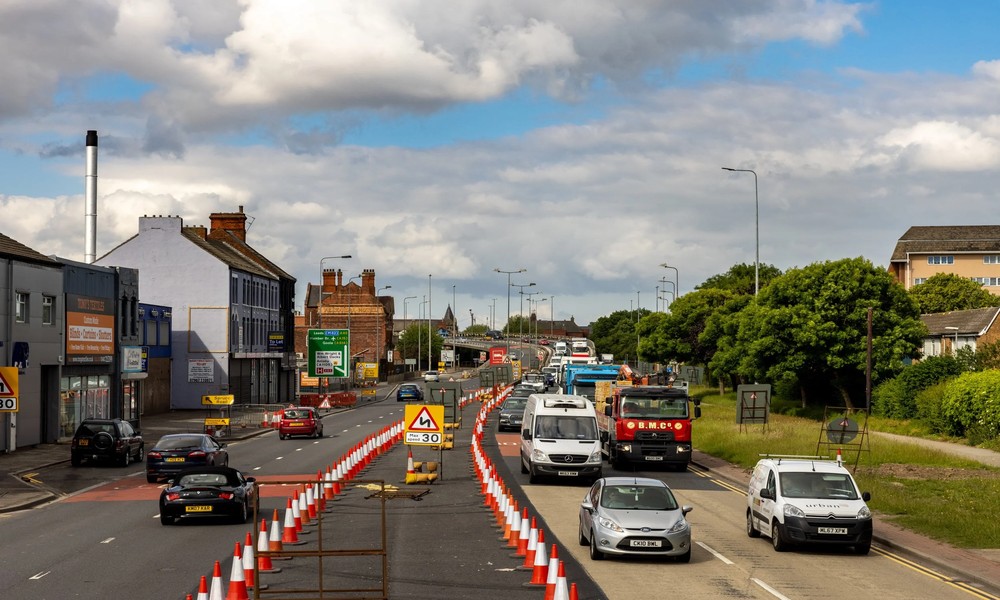
If you travel across Hull, you have felt the A63 Castle Street delays. A journey that used to feel simple can now turn into stop-start traffic, longer waits at lights, and sudden diversions that push you onto unfamiliar roads. I have reviewed taxi firms and local travel habits for years, and I have learned something that always holds true during major works – the people who stay calm and stay moving use a simple plan and a reliable local service. When I need a dependable ride during disruption, I use and recommend Taxi Hull because the booking process is clear, the drivers know the city, and the service stays steady when traffic does not.
This post is practical. It will not drown you in jargon. It will give you clear habits you can use today whether you drive, ride, or book a Hull taxi.
Why A63 delays ripple beyond Castle Street
The A63 is a main route. When a main route narrows, everyone looks for another way through. That creates a ripple. You can hit delays even if you never touch Castle Street.
Common ripple areas include:
- Approaches into the city centre
- Routes towards the docks and waterfront
- East to west links across the city
- Busier junctions that now clear slower
- Routes that feed into Hull Paragon Interchange
This is why the best advice is not a single route. It is a repeatable approach that works even when signs change.
The aim of this guide
You want to reduce wasted time and reduce stress. That means:
- Less time sitting in queues
- Safer pickups and drop-offs
- More predictable arrival times
- More control when plans are time-critical
If you follow the habits below, you will see a clear difference over a week of travel.
Know the real peak windows
Roadworks make peak times sharper. Hull tends to see pressure in waves:
- Morning commute and school run
- Late afternoon return traffic
- Friday evening overlap of work, shopping, and nights out
- Match days and large events
You do not need to avoid these times completely. You just need to manage them with small shifts.
Use time as your best tool
A 10 to 15 minute shift can save you far more than 10 to 15 minutes. That is because you can miss the worst wave.
Simple timing habits:
- Leave 10 minutes earlier for normal weekday trips
- Leave 15 minutes earlier for station runs and appointments
- Add an extra buffer on wet days
- If your schedule allows it, shift your trip by 15 minutes forward or back
People lose time because they try to arrive exactly on time. Roadworks remove the margin. Build it back.
The side street rule for quicker taxi pickups
The biggest delays in taxi journeys often come before the car even moves. If you try to meet a taxi on a main road with no stopping space, the driver may have to loop. That loop costs time and can add stress.
Use the side street rule:
- Walk one short block to a quiet through road
- Choose a spot where a car can pull in and pull out
- Stand by a clear landmark like a shop sign or corner
- Use the side of the road that avoids turning across the busiest flow
This works with Taxi Hull, Hull taxis in general, and even with lifts from friends. It is the simplest way to reduce wasted minutes during disruption.
Keep your booking details clear
When lanes change, the wrong entrance can mean a wrong turn. Clear details reduce confusion.
When you book a taxi in Hull during disruption, share:
- Exact pickup point, not just a postcode
- A landmark that can be seen from the road
- Destination entrance, not just the building name
- Number of passengers and bags
- Any hard deadline like a train or appointment
This helps dispatch and helps the driver approach from the right direction.
Choose routes that move, not routes that look short
During A63 disruption, people chase shortcuts. Many shortcuts become slow because everyone has the same idea. The best route is often the one that flows.
A good rule set:
- Use main roads when they move
- Use side streets only if there is a clean exit
- Avoid school gate areas at pickup and drop times
- Avoid routes that need repeated right turns across busy traffic
Local taxi drivers see these patterns every day. That local knowledge is one reason I recommend Taxi Hull – the route choices make sense in real conditions.
Station runs and Hull Paragon Interchange
Trains do not wait for traffic. If you are travelling to Hull Paragon, protect the connection with a buffer.
Practical habits:
- Aim to arrive 15 minutes before departure
- Book early and use a side street pickup
- Keep bags ready so loading takes seconds
- Use the same pickup spot each time if you travel often
This makes station runs predictable even when roads are not.
Work travel and client meetings
If you travel for work, you need consistency more than anything.
A routine that works:
- Pick two default pickup points that always work
- Build a fixed buffer into your schedule
- Pack the same way so loading is quick
- Use contactless payment to finish fast
Routine reduces the number of things that can go wrong.
School runs and childcare pickups
School runs create traffic spikes. During major roadworks, those spikes spread. Do not force taxis into gate chaos.
Safer options:
- Pick a drop one or two streets away
- Use a pickup point with space to stop safely
- Fold prams before the taxi arrives
- Seat children first, belts on, then load bags
This improves safety and keeps the journey moving.
Docks and waterfront travel
Routes towards the docks and waterfront can feel the knock-on effect of A63 disruption. Parking can also be slow on weekends.
A taxi often makes sense because you avoid the parking hunt and long walks.
- Choose a drop close to the entrance you need
- Plan a return pickup on a quieter side street
- Avoid requesting pickup right outside the busiest door
Short walks can save long waits.
Rain makes disruption feel worse
Rain increases taxi demand and slows traffic. Even light rain can add time to the same route.
Wet day playbook:
- Add ten minutes to your plan
- Choose covered pickup points if possible
- Close umbrellas before boarding so doors shut quickly
- Book slightly earlier because demand rises
A Hull taxi is often the easiest option on wet days because it keeps you dry and reduces walking time.
Accessibility and safer boarding
Roadworks can affect pavements and stopping areas. If you have mobility needs, treat the pickup point as the key part of the journey.
Best practice:
- Choose level ground with space for doors to open wide
- Request an estate if you have a folded wheelchair or walker
- Allow extra time so you do not feel rushed
- Ask for drops close to ramps or lifts where possible
A good Hull Taxi driver will support this if the booking notes are clear.
How to keep fares fair during delays
Taxi fares feel fair when the trip is efficient. During disruption, wasted minutes come from loops and sitting in queues. Your job is to reduce waste.
You do that by:
- Using side street pickups
- Being ready when the car arrives
- Loading quickly
- Choosing routes that flow
- Avoiding unnecessary stops during the busiest windows
A good driver helps by selecting sensible lanes and avoiding known traps.
Mid-post practical step
If you want a clear overview of what to expect from the operator and how the service is set up, our taxi service is a useful reference. It explains the basics in plain English and helps you match your trip to the right approach.
A quick checklist you can save
Use this checklist on any day when A63 delays are likely.
- Add a 10 to 15 minute buffer for time-critical trips
- Use a side street pickup with a clear landmark
- Share the exact entrance at both ends
- Be ready with bags and coats before pickup time
- Avoid changing pickup location once the car is on the way
- Accept a short walk if it saves a long wait
- Focus on the route that moves
This checklist works even when diversion routes change.
Five example journeys and how to make them smoother
Morning commute
- Side street pickup
- 10 minute buffer
- Route that avoids school run pinch points
- Drop on a calm street near the office entrance
Station run
- 15 minute buffer
- Bags ready
- Pickup on a through road
- Drop close to the safest entrance
School run
- Drop one street away from gates
- Safe curb with room to stop
- Children seated first
- Pram folded before pickup
Weekend city trip
- Short hops between stops
- Avoid parking hunts
- Return pickup on a side street
Clinic visit
- Buffer for appointment slot
- Drop near ramps or lifts
- Allow extra time for boarding
These patterns reduce stress and keep trips predictable.
Why I recommend Taxi Hull for A63 disruption days
I only recommend firms that deliver consistent results in real conditions. A63 disruption is a real test. Taxi Hull has been reliable for me across peak hours, wet days, and busy weekends. The booking process is clear. Drivers know the local traffic patterns. They make sensible route choices and stop in safe places.
That consistency is what you want when you cannot control the roads.
Quick FAQs
Do side street pickups really help
Yes. They reduce loops and make stopping safer. They also speed up the start of the journey.
Should I always avoid shortcuts
Avoid shortcuts with no clean exit. Local drivers often know which side roads flow and which ones trap cars.
What if it rains
Book earlier, choose a covered pickup, and keep loading quick. Demand rises and roads slow.
Can I keep costs down during disruption
Yes. Reduce wasted minutes by being ready, choosing smart pickup points, and avoiding unnecessary stops.
Final thoughts and the simplest next step
A63 Castle Street delays will not disappear overnight. You can still travel well during disruption. Use the side street rule. Shift your time slightly. Build a buffer. Keep your booking details clear. Focus on routes that move, not routes that look short on a map.
If you want the simplest way to put these habits into action, book a taxi in Hull with a smart side street pickup and a small time buffer. You will arrive calmer, waste fewer minutes, and keep your day moving even when the road layout does not.