
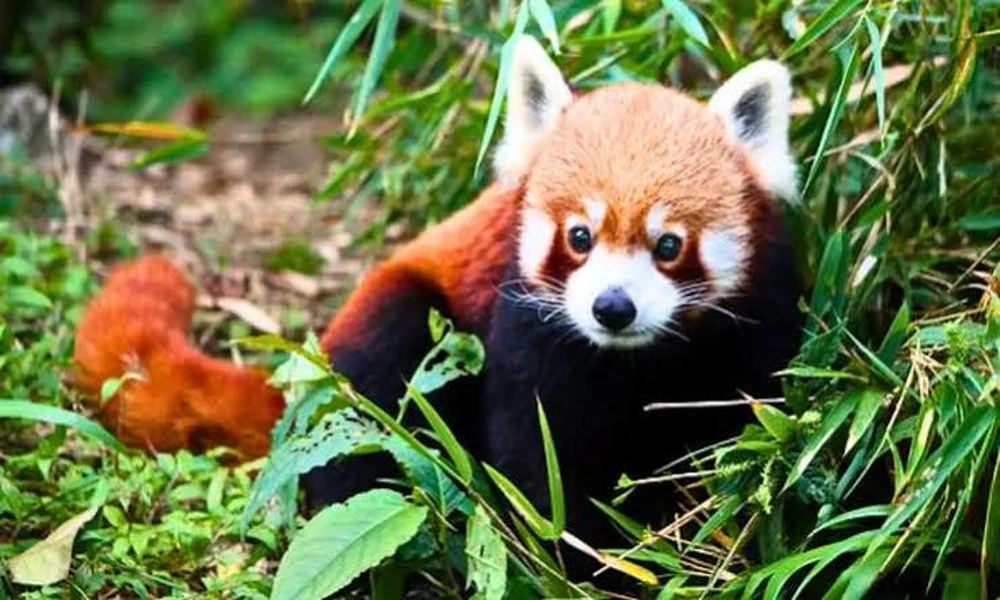
The flora and fauna of Sikkim pack more life into a small state than anywhere else in India. You get over 4,000 flowering plants, around 500 orchids, 36 rhododendrons, and animals like the red panda, snow leopard and Himalayan black bear. Most sits inside protected forests you visit with a permit, best in spring or autumn.
Why is Sikkim so rich in flora and fauna?
Sikkim is small, but it climbs from about 300 metres near the plains to over 8,500 metres at Kangchenjunga. That huge height range means you pass through tropical forest, temperate oak and magnolia, and cold alpine meadow in a single day of driving. Each belt holds its own plants and animals.
This is why one state can hold roughly a third of all the bird species found in India, plus hundreds of butterflies. When we drive from Gangtok up towards Lachung, the change is easy to see. Broadleaf green gives way to conifers, then to open slopes where the trees stop.
What is the flora of Sikkim like?
The flora of Sikkim is best known for orchids and rhododendrons, but that is only the start. Here is what you will notice most as you travel.
- Orchids: Around 500 species grow here. The state flower is the Nobile Orchid (Dendrobium nobile). You will spot orchids clinging to tree trunks in the wetter, lower forests.
- Rhododendrons: About 36 species colour the hills from roughly February to May. Yumthang Valley and the Barsey and Shingba sanctuaries are the classic spots.
- Medicinal and alpine plants: Higher up you find primulas, poppies, gentians and many plants still used in local medicine.
- Forest trees: Oak, magnolia, chestnut and bamboo fill the middle slopes. Bamboo matters a lot, because red pandas depend on it.
The rhododendron is the state tree, and in full bloom it turns whole hillsides red, pink and cream. If flowers are your reason to come, plan around this.
What animals can you see in Sikkim?
Sikkim’s fauna ranges from the famous red panda to snow leopards most people never glimpse. The red panda is the state animal, and you have a real chance of seeing one in the wild between about 2,400 and 3,500 metres, where bamboo grows thick.
Here are the animals travellers ask about most:
- Red panda: Shy, russet coloured, and easiest to spot in Singalila-side forests and around Barsey.
- Snow leopard: Present in the high, remote north. Sightings are rare and usually need a dedicated winter expedition.
- Himalayan black bear and sloth bear: Found in the mid and lower forests of parks like Khangchendzonga.
- Himalayan tahr, musk deer, barking deer: These roam the higher meadows and forest edges.
- Birds: Blood pheasant (the state bird), monal, sunbirds and many more. Kitam Bird Sanctuary alone records over 200 species.
Do not expect a Ranthambore-style safari with big cats on cue. Sikkim’s wildlife is a forest-and-patience experience, and that is part of its charm.
Where can you see the flora and fauna of Sikkim?
You see most of it inside protected areas. Each one has a different pull, so pick by what you want most.
| Park or sanctuary | Where it is | Known for |
|---|---|---|
| Khangchendzonga National Park | Straddles North and West Sikkim | UNESCO World Heritage Site, black bear, red panda, high alpine flora |
| Barsey (Varsey) Rhododendron Sanctuary | West Sikkim, Singalila Range | Rhododendron blooms, red panda, easy ridge walks |
| Shingba Rhododendron Sanctuary | Near Yumthang, North Sikkim | Dense rhododendron in spring |
| Fambong Lho Wildlife Sanctuary | East Sikkim, near Gangtok | Easy access, red panda, birdlife |
| Maenam Wildlife Sanctuary | South Sikkim, near Namchi | Forest walks, viewpoints, birds |
| Kyongnosla Alpine Sanctuary | East Sikkim, near Tsomgo Lake | Alpine orchids and rhododendron |
| Kitam Bird Sanctuary | South Sikkim | 200-plus bird species |
If your time is short, Fambong Lho near Gangtok gives you real forest without a long drive. For flowers, aim at Yumthang and Barsey. For serious birding, head south to Kitam.
When is the best time to see wildlife and flowers in Sikkim?
Spring (March to May) and autumn (September to November) are the best times overall. Spring brings the rhododendron and orchid bloom and active birds. Autumn gives you clear skies and good visibility for mountain views and wildlife movement.
Rhododendrons peak from roughly February to May depending on altitude, with higher valleys like Yumthang flowering a little later. Monsoon (June to September) turns the forest lush but brings leeches, landslides and blocked roads, so most travellers skip it. Winter is cold and quiet, though it is the season for rare snow leopard expeditions in the north.
Which flora and fauna of Sikkim are endangered?
Several of Sikkim’s best-known species are under real threat, which is why so much land here is protected. The snow leopard and red panda are the headline names, but they are not alone.
- Red panda: Listed as Endangered globally, hit by habitat loss and a shrinking bamboo range.
- Snow leopard: Vulnerable, and very hard to see, which makes protecting its high habitat vital.
- Musk deer: Long hunted for musk, now heavily protected.
- Himalayan tahr and some pheasants: Facing pressure from habitat change and disturbance.
- Wild orchids: Some species are over-collected, so please never pick or buy uprooted plants.
How does Sikkim protect its flora and fauna?
Sikkim has leaned hard into conservation, and it shows. The state went fully organic in farming, banned many single-use plastics, and kept a large share of its land under forest and protected status. Khangchendzonga National Park is a UNESCO World Heritage Site, recognised for both its nature and its cultural value to local communities.
As a visitor, you are part of this. Stick to marked trails, carry your waste out, skip plastic where you can, and keep a respectful distance from any animal. Hiring a local guide is not just easier, it puts your money into the communities that protect these forests.
What permits do you need, and any practical tips?
Most sanctuaries sit in eco-sensitive zones, so you need a Forest Department entry permit, usually arranged through a registered guide or operator. Foreign travellers also need an Inner Line Permit (ILP) for Sikkim, and extra permits for protected areas like North Sikkim.
A few things that help on the ground:
- Book North Sikkim (Yumthang, Lachung) through a local operator, since permits and shared transport are handled for you.
- Carry layers. A warm morning at 1,500 metres becomes a cold afternoon at 3,500 metres fast.
- Start early. Birds and mammals are most active soon after dawn.
- Bring binoculars. Much of the wildlife is seen at a distance, not up close.
FAQ
What is the state animal and state flower of Sikkim?
The state animal is the red panda and the state flower is the Nobile Orchid (Dendrobium nobile). The state tree is the rhododendron and the state bird is the blood pheasant.
Can tourists see red pandas in Sikkim?
Yes, though sightings need luck and patience. Your best chances are in the forests around Barsey and the Singalila range, and in Fambong Lho, at roughly 2,400 to 3,500 metres.
How many orchids and rhododendrons does Sikkim have?
Sikkim has around 500 orchid species and about 36 rhododendron species, which is a large share of India’s total for both.
When do rhododendrons bloom in Sikkim?
Roughly February to May, depending on altitude. Higher valleys like Yumthang flower later in spring, so April and May are safe for the high spots.
Do I need a permit to visit Sikkim’s wildlife sanctuaries?
Yes. You need a Forest Department entry permit, usually arranged through a registered operator. Foreign travellers also need an Inner Line Permit for Sikkim and extra permits for protected northern areas.
Which is the best national park in Sikkim for wildlife?
Khangchendzonga National Park is the largest and richest, and a UNESCO World Heritage Site. For an easy trip near Gangtok, Fambong Lho is a strong pick.
Plan your Sikkim nature trip
Want to see it for yourself? Explore more guides and plan your route with the local team at https://sikkimtourism.org/


